


Duct Cleaning vs Duct Sealing in San Antonio, TX: Which Solves Dusty Rooms?
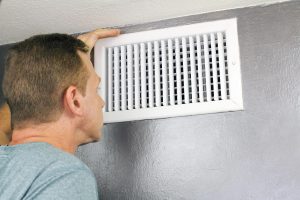
Are certain rooms in your home always dusty no matter how often you wipe them down? In many San Antonio houses, the culprit is inside the duct system. Sometimes a deep air duct cleaning fixes it. Other times, sealing leaky ducts is the only way to stop dust from being pulled in from attics or garages. Here’s how to tell the difference and get lasting results.
Why Rooms Get Dusty in San Antonio Homes
Our climate is tough on HVAC systems. Long cooling seasons, cedar pollen, and dusty attics add up. When your system runs for hours, any gaps in the ductwork can pull in debris from unconditioned spaces and spread it into bedrooms and living areas.
Two common root causes drive most dust complaints:
- Dirt that has built up inside supply and return ducts over years of use.
- Air leaks or pressure problems that draw dust into the system even if ducts are clean.
If you only treat one of these and not the other, the dust returns. The key is to match the fix to the cause.
What Duct Cleaning Actually Solves
Duct cleaning removes dust, pet dander, and debris from supply trunks, branches, and returns. It helps when you see dusty registers, gray film on furniture, or visible buildup at vent covers. Families with allergies often feel the difference after a thorough cleaning.
Cleaning improves indoor air quality and helps your filter do its job. It is most effective when the duct system is otherwise tight, the return is sized right, and the home doesn’t have major leakage paths that reintroduce debris.
What Duct Sealing Actually Solves
Duct sealing targets leaks at joints, boots, and plenums that allow dusty attic or garage air to enter the system. Leaks also let conditioned air escape before it reaches rooms, which can make some spaces feel hotter or colder and force your AC to run longer.
If you notice insulation dust at ceiling registers, a musty smell when the system starts, or hot spots near the attic access, sealing is likely the bigger win. For a deeper dive into this fix, see our post on keeping your home more comfortable and efficient with duct sealing.
How Pros Decide: Inspection And Leakage Testing
Guessing wastes time. A good visit starts with measurements. Techs check static pressure, look for visual gaps, and may perform duct leakage testing to quantify how much air escapes or enters the system.
Start with testing, not guessing. Numbers tell you whether dust is from dirty ducts that need cleaning, from leaks that need sealing, or from both. Ask your technician to explain results in plain language.
During a professional assessment, you should expect targeted photos from key points in the system and a simple explanation of where dust is entering. Ask for test results you can see so you understand the plan before any work begins.
Return Sizing And Dusty Rooms
An undersized return can make a clean system look dirty in a hurry. When the return opening is too small, the blower struggles for air and creates strong negative pressure. That pressure can pull dusty air through seams, attic gaps, and even around recessed lights.
Common signs include a loud “whistle” at the return grille, a filter that gets dirty fast, or bedrooms that feel starved for airflow. In these cases, duct cleaning alone won’t solve the problem. The long-term fix is proper sealing paired with return sizing adjustments so the system can breathe.
Your technician should confirm return sizing with measurements, not guesswork. The goal is stable pressure and smooth airflow to reduce dust entry and improve comfort.
Which One Is Right For Your Home? A Quick Guide
- Choose cleaning when: you see visible buildup at vents, have recent renovations, or are moving into a home where you don’t know the duct history.
- Choose sealing when: rooms are dusty right after the system starts, there’s insulation dust at registers, or measurements show leakage above acceptable levels.
- Choose both when: tests show leaks and the ducts are dirty. Cleaning removes what’s inside; sealing prevents it from coming back.
Sealing fixes leaks that cleaning cannot. And cleaning removes debris that sealing doesn’t touch. In many San Antonio homes, the best answer is a measured blend of both.
Local Clues We See Around San Antonio
Neighborhoods like Alamo Heights and older ranch homes around Helotes often have attic ductwork with aging connections. Two-story homes in Stone Oak and Cibolo sometimes have an undersized upstairs return that pulls dust from the attic during long summer run times. Newer builds can still leak at boots where ducts meet ceilings.
Our heat and cedar season are a tough combo. Systems work hard for months, and any small gap becomes a steady dust source. That is why measurements and a clear plan matter more than quick fixes.
During cedar season and peak summer, your system runs longer, which can magnify small leaks. Scheduling a measured inspection before the hottest months helps prevent dust complaints and keeps rooms more even in temperature.
What To Expect From A Professional Visit
A trustworthy team explains what they will do, does it safely, and shows you the results. You should expect before and after photos from supply and return trunks, a summary of leakage findings, and balanced airflow that feels better in lived-in rooms.
Avoid unnecessary add-ons you didn’t request. Focus on the fixes that measurements support. If the report shows high leakage, sealing comes first. If ducts are tight but dirty, a thorough cleaning is the direct solution.
When you’re ready to improve air quality, it helps to read up on maintenance and system care. You can always browse our latest tips on the blog to stay informed, then circle back to schedule service when it’s convenient.
Real-World Examples We Solve Often
“Dusty front room by the entry.” We find a return near the hallway that is too small for the system, plus a leaky boot above the foyer. The plan: seal the boot, correct return sizing, and follow with cleaning so buildup doesn’t push back into the home.
“Back bedroom never feels clean.” The branch run over a warm garage picks up odors and fine dust through a loose connection. Sealing those joints stops the debris source, and a targeted cleaning clears the line so air is fresh again.
“Filter clogs every few weeks.” High static pressure and a restricted return can cause this. Once airflow is corrected and leaks are sealed, filters last longer and rooms stay cleaner.
How We Pair Cleaning And Sealing For Lasting Results
At JB Heating & Air Conditioning, we use findings from your inspection to set the order of operations. If leakage testing shows significant loss, sealing comes first so we are not cleaning a system that is still pulling in dust from the attic. If ducts are tight but dirty, we proceed with a detailed duct cleaning to restore clean airflow.
We also consider return sizing and room balance. Right-sized returns reduce noise, ease strain on the blower, and help distribute clean air to every room. With fewer leaks and balanced flow, dust has fewer ways back in.
Simple Signs You’re On The Right Track
Within days, you should notice less dust on flat surfaces and a more neutral smell at start-up. Filters should look cleaner between changes. Rooms that used to lag behind should feel closer in temperature to the rest of the home.
These results are strongest when sealing, cleaning, and return sizing work together. That is why a measured plan beats guesswork every time.
Your Next Step
If dusty rooms are driving you crazy, start with a measured checkup so we can pinpoint the cause. You can learn more about the process and schedule with our team here in San Antonio by visiting duct cleaning in San Antonio, TX on our site, or by calling 210-316-0523.
Get Clear Answers For Your Dusty Rooms
Ready for a cleaner, healthier home? Contact JB Heating & Air Conditioning today. We will test, explain what we find in plain language, and fix the problem the right way. To get started, visit our duct cleaning page or call 210-316-0523 to speak with a friendly pro.