


San Antonio Emergency AC Repair: How to Keep Your Cool When Your System Suddenly Quits
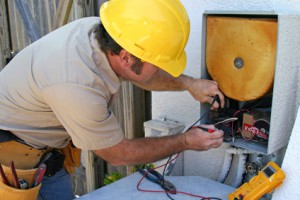
When the South Texas heat is cooking the driveway and your air conditioner stops, stress spikes fast. If you need San Antonio emergency AC repair, you are not alone. This guide explains what to do right now, what you can safely look for, and how JB Heating & Air Conditioning can help with prompt emergency AC repair so your home gets comfortable again.
What Happens When Your AC Quits During a South Texas Heatwave
In July and August, indoor temps can climb quickly in San Antonio homes after a shutdown. Humidity rises, sleep gets hard, and pets feel it too. Acting calmly and gathering a few details can speed up your service visit.
- Warm air at the vents or no airflow at all
- Thermostat looks normal but the outdoor unit is silent
- Ice on the refrigerant line or a damp area near the indoor unit
- Odd smells or short bursts of operation before it shuts off again
Heat can become dangerous indoors quickly. Keep an eye on seniors, small children, and pets, and move them to the coolest room you have while you wait for help.
Safe, No‑Risk Checklist You Can Do While You Wait
Use these simple, voice-search style questions to observe only. Do not take anything apart or try to fix wiring or refrigerant issues.
Is the thermostat actually set to Cool and several degrees below room temperature?
Confirm the mode says Cool and the fan is on Auto. If the screen is blank, note it for the technician. Do not remove the cover or reach into wiring.
Do you hear the indoor blower or the outdoor fan running?
Stand near a supply vent and then near the outdoor unit for a few seconds. A quiet system helps your tech know whether the issue is electrical, control related, or airflow related.
Do any vents feel blocked or closed?
Walk a quick loop through your main rooms and note closed floor or ceiling registers. Return them to their usual position if you had moved them earlier. Avoid removing grilles or panels.
Do you see frost, dripping water, or a wet safety pan?
Look at the refrigerant line near the air handler and the drain area. Light frost or pooling water can hint at airflow or condensate problems. Take a quick photo to show your technician.
Is the air filter visibly packed with dust?
If you can see the filter without removing panels, make a note of its condition and size. Share this with your tech on arrival so they bring the right replacement if needed.
Did anything big change right before it quit?
Make note of thunderstorms, a recent remodel, unusual odors, or recent thermostat changes. These clues help your technician pinpoint the cause faster.
Safety first: never open panels or push reset buttons you are unsure about. Avoid touching electrical components or refrigerant lines.
Common Reasons for Sudden AC Breakdowns in San Antonio Homes
San Antonio’s heat and humidity can push systems hard. Here are frequent culprits your HVAC technician may investigate:
- Thermostat or control glitches that interrupt cooling calls
- Airflow problems from a severely clogged filter or blocked returns
- Condensate drain issues that trigger a float switch and stop cooling
- Dirty outdoor coil reducing heat release during long afternoon cycles
- Worn start components that cause brief starts followed by a shutdown
Each home is different and the true fix depends on your system’s condition, age, and installation. Your technician will test and confirm before recommending next steps.
How to Stay Cool and Protect Your Home Until Help Arrives
Focus on comfort and safety while the system is off. Close blinds on sun-facing windows, use box and ceiling fans to move air, and rest in the lowest level of the home if you have one. Keep drinking water handy and check on neighbors who may need help.
If you’re in areas like Tobin Hill, Southtown, or near Lackland, late-day sun can heat rooms fast. Keep interior doors slightly open for airflow and avoid heat sources like long oven use. If indoor temps feel unsafe, visit a friend, a cooled public place, or a community center until service is completed.
San Antonio heat advisories are common in summer. Limit indoor exertion, hydrate often, and watch for signs of heat stress like headache or dizziness. If you smell burning or see smoke, leave and call 911.
What to Expect From an Emergency HVAC Visit
Once the technician arrives, they will listen to your notes, run diagnostics, and verify what failed. Expect checks of electrical safety, controls, airflow, drain function, and system pressures. You will get clear findings and options that fit your home’s needs and season.
If you have been weighing system improvements for comfort on triple-digit days, you can also explore broader air conditioning services while the tech is onsite. Repairs and recommendations vary by home and equipment, and your tech will walk you through what matters most today.
Need priority help now? Our team provides prompt emergency AC service for homes across Bexar County and nearby communities like Shavano Park, Converse, and Schertz.
How to Speed Up Service and Help Your Technician
A few simple notes can shave minutes off troubleshooting and help you get cool sooner.
- Document what you notice to help your technician diagnose faster. Time of failure, any sounds, and photos of frost or water all help.
- Share the last filter change date and the filter size if you know it.
- Tell us about recent electrical events like a thunderstorm or brief outage.
- Clear a path to the thermostat, air handler, and outdoor unit for safe access.
- Secure pets in a quiet room so the tech can work efficiently.
Why Acting Quickly Matters in San Antonio
Prolonged heat can strain more than comfort. Indoor humidity that lingers for hours can affect finishes and flooring, and it can be hard on sensitive electronics. Fast response reduces risk and gets your routine back on track, whether you live near the Pearl, Brooks, or the Medical Center area.