


Heat Pump Repair vs Replacement: A Simple 10-Year Math Check
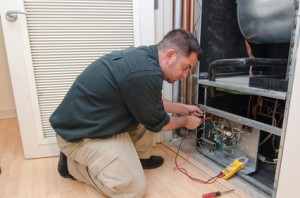
When your heat pump acts up during a Hill Country cold snap, you face a quick choice: fix it now or plan a replacement. This guide walks you through an easy 10-year math check so you can decide with confidence. If you need help right away, you can schedule a heating repair visit while you read.
We wrote this for San Antonio, TX homeowners in neighborhoods like Alamo Heights, Stone Oak, Helotes, and Southtown. If you’re just starting your research, our heat pump repair San Antonio overview is a good place to begin, then come back here to run the numbers.
Why San Antonio Homes Struggle With Heat Pump Decisions
San Antonio winters are usually mild, but the occasional blue norther can send temperatures crashing for a few days. That means your system might sit quiet for long stretches, then run hard when a front hits. The stop‑and‑go pattern can hide problems until peak demand. It also makes the repair vs replacement question tricky, because you have to weigh short bursts of heavy heating against our long cooling season.
Add in today’s refrigerant changes and smarter variable‑speed equipment, and the math has a few more moving parts than it used to. Don’t worry. You only need a handful of facts and a simple framework.
Heat Pump Repair San Antonio: The 10-Year Math Check
This is a quick, homeowner‑friendly way to compare paths. You are not estimating exact dollars. You’re checking direction and risk over the next decade in San Antonio’s climate.
Tip: use your actual electric rate from your bill for the best apples‑to‑apples comparison.
Step 1: Confirm the basics. Note the system age, size (tonnage), and whether any parts are still under manufacturer or labor warranty. Systems under solid warranty carry less risk if you choose repair.
Step 2: Apply two rules of thumb for repair decisions:
- The “5,000 rule”: multiply system age by the repair quote. If the result is above 5,000, many homeowners lean to replacement. If it’s below, repair often makes sense.
- Repeated breakdowns: if you’ve had two or more no‑heat calls in the last 18 months, replacement often lowers long‑term risk.
Step 3: Estimate 10‑year energy impact. Efficiency ratings tell you how much work your heat pump gets from each unit of electricity. For heating, you’ll see HSPF2 on newer equipment. A simple way to size the savings is to compare ratings as a ratio. For example, if your current system effectively performs like “8” and a new one is “9.5,” the heating energy drop is roughly 1 − (8 ÷ 9.5) ≈ 16%. In San Antonio, include cooling too since we run AC far more days than heat. If your cooling rating improves by a similar margin, the combined year‑round savings can be meaningful over 10 years.
Step 4: Add risk and comfort. Ask yourself: Will this repair leave me worried about the next board or compressor? Will a new variable‑speed system reduce noise, improve airflow, and even out room temperatures? Those benefits matter daily through long summers and the short, sharp cold snaps we see here.
Step 5: Tally the direction. If repairs are modest, warranties are active, and efficiency gains are small, repair wins. If repairs are stacking up, warranties are out, and efficiency jumps look strong, replacement is likely the smarter 10‑year move.
When Repair Makes More Sense In San Antonio
Repairs are often the right call when you have a younger system and a clear, isolated fault. In our market, these situations tend to favor fixing now and reassessing in a few years:
- The system is under eight years old and still within key parts warranty.
- A single electrical component failed during a rare freeze, and everything else checks out.
- No history of refrigerant leaks, and airflow through the ducts is strong.
- Thermostat, sensors, or defrost controls caused the issue and are known to be stable after replacement.
- You’re planning a home project soon that could change loads, like new windows or an addition.
In these cases, a focused repair keeps your family comfortable without locking you into a long commitment. If you’re ready to move quickly, we handle urgent heating repairs with careful diagnostics to prevent repeat visits.
When Replacement Sets You Up For The Next Decade
Replacement shines when it reduces future surprises and improves day‑to‑day comfort. In San Antonio, look for these signs:
- The unit is 12–15 years old or older, especially with multiple breakdowns.
- Frequent refrigerant additions or confirmed leaks on an R‑410A system.
- Out‑of‑warranty compressor or control board failures on a variable‑speed unit.
- Uneven rooms, noisy operation, or humidity swings during long shoulder seasons.
- You’re facing back‑to‑back major repairs within a short window.
Newer systems often run quieter and hold room temperatures steadier. With better staging and airflow control, bedrooms in Stone Oak or garages converted to offices in Castle Hills feel more even. Over a decade, those hours of quiet, steady comfort add up.
R-410A Phase-Down: What It Means For Owners
R‑410A is a common refrigerant in many San Antonio heat pumps. It is part of a nationwide phase‑down, which means production and availability are reducing over time. As supplies tighten, the cost to handle R‑410A can rise, and repair decisions that involve refrigerant can become less attractive over the next 10 years.
New heat pumps use next‑generation refrigerants like R‑32 or R‑454B. They are designed specifically for those refrigerants, so an older R‑410A system typically cannot be converted. If you have a documented leak or a major refrigerant‑related failure, weigh that future availability risk in your 10‑year math.
Important: do not top off refrigerant without finding and fixing the leak source. Chronic leaks harm performance and turn into repeat service calls.
Variable-Speed Repairs, Warranties, And Risks
Many newer heat pumps use variable‑speed compressors and inverter control boards. These systems shine in San Antonio because they throttle gently most days, then ramp up during a blue norther. The flip side is that diagnosing and fixing them requires advanced testing tools and training, and some parts are specialized.
If your system is variable‑speed and out of warranty, factor the potential for future board or control issues into your decision. If it is still covered, repair can be very reasonable. Ask for clear diagnostics, part condition photos, and a written test list. That makes the path forward easier to compare.
When you’re thinking long term, consider how variable‑speed upgrades help beyond repairs. They often reduce on‑off cycling and drafty starts. In older homes around Alamo Heights and Monte Vista, that steady output can make winter evenings far more comfortable.
Comfort, Noise, And Indoor Air Quality Considerations
Our winters are short, but comfort still matters. A new system can reduce outdoor unit noise in tight lots and smooth airflow to distant rooms. If allergies flare up, pairing the right filtration and balanced airflow can help the whole family feel better. If a replacement is on the table, it’s a good time to evaluate duct sealing and sizing as part of your full heating services conversation.
Always compare any single repair to the system’s age and warranty. A quick fix on a younger system often wins, but layering big, out‑of‑warranty repairs on an older unit can trap you in a cycle of breakdowns.
A Quick Example Using The 10-Year Check
Imagine a 12‑year‑old, R‑410A heat pump in Leon Valley with a recent no‑heat call. You confirm there’s no active parts or labor warranty. The repair appears isolated to a control component, but the technician also notes weak airflow and signs of a small refrigerant leak.
Applying the steps:
- Age and warranty: older, out of warranty increases risk.
- Rules of thumb: the 5,000 rule trends toward replacement for large repairs at this age.
- Energy: a modern, higher‑efficiency system can reduce both cooling and heating energy over 10 years in our climate.
- Risk and comfort: the suspected leak plus airflow issues suggest more surprises ahead.
Result: Replacement likely offers better 10‑year stability and comfort, especially when you include our long cooling season in the math.
How To Make Your Decision Feel Easy
You don’t have to get every number perfect. You just need reasonable inputs and a clear comparison. Ask for a written diagnostic report and efficiency ratings for any replacement options. Then run the simple checks above. If the trend leans one way, trust it.
If you want more background before deciding, browse our local heating and cooling tips to see how other San Antonio homeowners think through similar choices.
Put The Numbers To Work With JB Heating & Air Conditioning
Ask for a load calculation before any replacement. It helps ensure the right size for your home, which keeps bills and noise in check. When you’re ready, call 210-316-0523 to speak with a friendly pro at JB Heating & Air Conditioning. We’ll review your system, lay out repair and replacement paths, and help you decide with clarity.
If the math points to a quick fix, our team will get you comfortable and keep the long‑term plan in view. If it points to a new system, we’ll explain options in plain language and schedule on your timeline. Either way, you’ll understand your choice for the next decade.