


Cibolo AC Replacement: Finding the Best Energy-Efficient Upgrade for Your Home
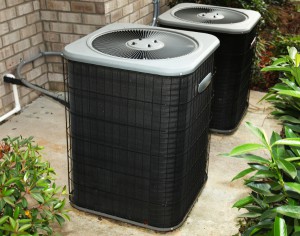
The afternoon sun in Cibolo can turn a comfortable house into a hot box, especially when an older air conditioner is working overtime. If your system struggles on sunny days or runs without relief, upgrading to a modern, energy-efficient unit can lower monthly utility bills and deliver steadier comfort. Many homeowners start with a quick conversation about Cibolo AC replacement to learn which options fit their home and goals.
When you are ready for professional help, explore your choices for air conditioning installation and see how the right match can keep every room in your home cooler and quieter. This guide focuses on what matters most for central air installation in Cibolo, TX so you can upgrade your home cooling system with confidence.
Why Replacing Before Peak Summer Heat Pays Off
Cibolo’s weather brings long stretches of hot, sunny afternoons. West-facing rooms soak up heat, upstairs bedrooms trap it, and garages radiate warmth into bonus rooms. A new, efficient system installed before the highest temperatures arrive helps tame these hot spots and keeps your utility bills from spiking during the heart of summer.
Older units often short-cycle or run constantly as outdoor temperatures climb. Newer systems use advanced compressors and smarter airflow to match the day’s conditions. You get fewer temperature swings, better humidity control, and quieter operation. Planning now also helps you book an install date that fits your schedule rather than taking the last available slot when the heat hits hard.
Local tip: Cibolo homes with large west-facing windows or dark, heat-absorbing roofs feel the sun late in the day. Ask your comfort advisor to include window orientation and attic conditions in the load calculation. A precise design often means a smaller, more efficient system and lower monthly bills.
Matching System Size To Your Home Layout
The best system is the one sized for your home, not just your square footage. Many Cibolo homes in neighborhoods like Cibolo Valley Ranch, Bentwood Ranch, and Turning Stone have open living areas, upstairs game rooms, and lofts over the garage. These spaces gather heat differently. A professional load calculation looks at window direction, insulation, ductwork, number of occupants, and ceiling heights to match capacity to your real-world needs.
Oversized systems can short-cycle and leave humidity high, while undersized units run constantly and still fall behind. Balanced capacity helps every room feel even, from the sunlit front room to the upstairs primary suite.
- Single-story ranch with open plan: steady airflow and right-sized returns keep temperatures even.
- Two-story with bonus room over the garage: targeted duct design reduces late-day heat load.
- Homes with tall ceilings: variable-speed airflow maintains comfort without big temperature swings.
During your consultation, ask about options that fit your layout. For example, a variable-speed air handler often improves comfort in two-story homes, while a two-stage system can be an efficient choice for many standard suburban floor plans.
Features That Drive Energy Savings In Central Air Installation
Today’s systems do more than cool air. They manage airflow, humidity, and energy use with precision. The right mix of features can reduce waste and help your home feel cooler at a higher thermostat setting.
- SEER2 rating: higher numbers mean greater seasonal efficiency in real-world conditions.
- Variable-speed or inverter compressors: run longer at low power for quiet, steady cooling.
- ECM indoor blowers: adjust airflow to maintain comfort and increase efficiency.
- Humidity control: better moisture removal helps rooms feel comfortable without overcooling.
- Smart thermostats: schedules, learning modes, and geofencing trim unnecessary runtime.
In our climate, prioritizing a higher SEER2 rating can lower monthly energy bills during long, sunny seasons. Pair that with a smart control and right-sized ductwork, and you will notice the difference on both comfort and utility statements.
Ductwork, Insulation, And Sun Exposure Matter
Air conditioning is a system, not just a box outside. Leaky ducts, thin insulation, and heat-soaked attics make even the best new unit work harder. Before you replace, your installer should check for duct leakage, blocked returns, and attic conditions that may add heat back into the home.
Improving ducts and attic conditions first can allow a smaller, more efficient system. Better sealing and the right return air paths often reduce noise and balance temperatures from room to room. If your current unit is still fairly new but underperforming, it may be worth a quick check to see whether a tune-up or fix could help. When a repair makes more sense than a full swap, explore your options for air conditioning repairs before you commit to replacement.
Signs Your Older AC Is Near The End
While exact lifespans vary, many systems lose efficiency and reliability after years of heavy summer duty. If you notice any of the issues below, it is smart to start planning your upgrade before peak heat:
- Uneven temperatures between floors or rooms
- Long run times even on mild days
- Frequent service calls for the same problems
- Rising utility bills compared with prior summers
- Noticeable humidity or stickiness indoors
Upgrading on your terms, rather than during an emergency, gives you time to compare systems and choose the features that matter most.
What To Expect From A Professional Installation
Your experience should start with an in-home assessment. A comfort advisor measures your home, reviews insulation and duct layout, and asks about hot or cold rooms. You will see system options that balance energy savings, comfort, and noise levels. From there, you can choose a plan that fits your household.
On installation day, the crew protects floors, removes the old equipment, sets the new condenser and air handler, updates line sets where appropriate, and verifies airflow and refrigerant charge. They run start-up checks and show you how to use your thermostat and modes. If any steps or approvals are needed in your area, your installer will explain the process and timing for your home.
To learn more about how the right system design translates to everyday comfort, review the details of ac installation and ask how the plan addresses your home’s hottest rooms.
Smart Controls And Everyday Comfort
A smart thermostat is a small upgrade that creates big comfort. Learning schedules, mild weather modes, and geofencing help your system run when you need it and ease off when you do not. Many thermostats also monitor humidity and adjust airflow to maintain a comfortable feel even when outdoor temperatures swing.
Consider zoning or room-by-room sensors if your family spends evenings upstairs or in a back den that warms up after school and work. A good design focuses cooling where you live most, then trims waste in rooms that do not need as much attention.
Balancing Efficiency, Comfort, And Budget
Every home is different, and so is every family’s comfort goal. Some Cibolo homeowners choose a two-stage system for a simple balance of savings and performance. Others pick a variable-speed system for the quietest, most even cooling. Utility rebates and seasonal promotions can change during the year, so ask your advisor what is available when you are ready to proceed. Financing and package options often vary by season and system model.
What matters most is a design that fits your home’s layout and the way you live. If you work from a sunny room, target airflow and humidity control there. If you have a baby sleeping upstairs, focus on steady, gentle cooling overnight. The right match prevents hot rooms, reduces noise, and cuts waste. It is a practical way to create a calm, cool home during the Texas summer.
How We Tailor Systems For Cibolo Homes
JB Heating & Air Conditioning serves the Cibolo and northeast San Antonio area, where afternoon sun and two-story floor plans are common. We look closely at glass area on the west and south sides, attic conditions, and duct paths to bedrooms over the garage. This real-world approach helps us recommend a system that fits your home, not just a label on a box.
During your visit, we will:
- Review hot rooms and your daily routine to prioritize comfort where it counts
- Measure and verify return air size so the system can breathe easily
- Discuss SEER2 options and airflow choices that fit your utility goals
- Explain maintenance needs so your new system stays efficient for years
By dialing in these details up front, you avoid guesswork and get a plan built for Cibolo’s climate and your family’s habits.
Choosing The Right Time To Upgrade
There is never a perfect day to replace an air conditioner, but there is a smart season. Many homeowners in Cibolo plan upgrades before the hottest weeks arrive to avoid surprise breakdowns and rushed decisions. When you schedule early, you can compare systems side by side, choose features you will actually use, and line up a convenient install date. If you do find yourself midseason and your AC is struggling, acting quickly can still protect your comfort on the next hot streak.
Whether you want top-tier efficiency or a well-balanced system that keeps costs in check, your advisor will outline choices clearly. No matter the path, the goal is the same: cool rooms, lower waste, and a quieter home.
Ready For Reliable Cooling In Cibolo?
If your air conditioner is loud, uneven, or always running, it is time to explore a better option. Start with a friendly visit from JB Heating & Air Conditioning and a plan designed for your layout, sunlight, and routine. Call us at 210-316-0523 or schedule your upgrade through our page on air conditioning installation. With a properly sized system, smart controls, and attention to ducts and airflow, you can enjoy energy efficient air conditioning that makes Texas summers feel simple again.
Note: Equipment choices and installation timelines vary by home size, materials, and season. Your comfort advisor will help you compare options and select the best fit for your goals.